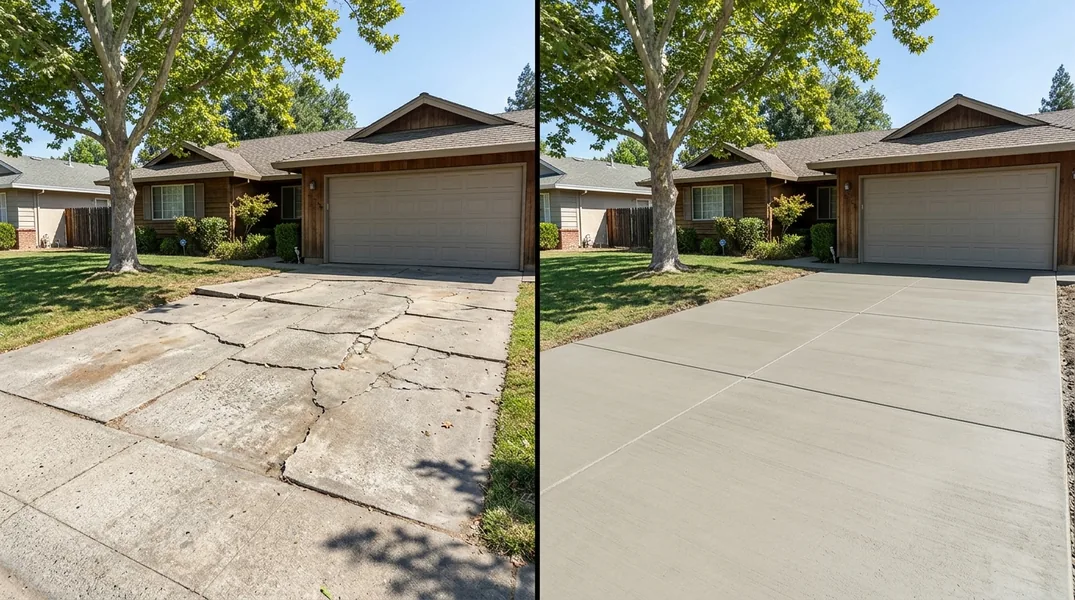
Understanding Chico's Climate and Concrete Pouring Windows
If you're planning a Concrete Driveways project in Chico, timing is everything. The Sacramento Valley's unique climate creates distinct seasons that either favor or hinder concrete curing. Unlike many parts of California, Chico experiences genuine winter weather with rainfall, which directly impacts when you should schedule your concrete work.
Concrete doesn't simply harden overnight. The curing process is a chemical reaction that requires specific temperature and moisture conditions to reach full strength. Pour your concrete at the wrong time of year, and you risk cracks, weak spots, and premature deterioration. The good news is that with some planning, you can work with local weather patterns rather than against them. Understanding when to pour concrete in Chico means understanding how temperature swings, rainfall, and humidity affect your investment.
Spring: The Ideal Season for Concrete Pouring in the Sacramento Valley
Spring, typically March through May, represents the sweet spot for concrete pouring season in the Sacramento Valley. During these months, daytime temperatures climb into the 60s and 70s Fahrenheit, creating optimal conditions for concrete curing. The risk of frost has largely passed, eliminating the danger of freeze-thaw cycles that can shatter freshly poured concrete. At the same time, spring still offers moderate humidity levels that prevent concrete from drying too quickly, which would cause surface cracking.
Spring also marks the tail end of the wet season. While occasional rain showers may occur, the heavy winter downpours have subsided. This means your concrete crew has more reliable weather windows to work within. If rain does occur, it's typically light enough not to disrupt the curing process significantly. Many homeowners in Chico who want Concrete Patios or driveway work done schedule their projects for spring specifically because of this predictability. The combination of moderate temperatures, lower rainfall risk, and manageable humidity makes spring the professional recommendation across the region.
Summer Challenges: Hot Weather Concrete Curing Concerns
Hot weather concrete curing presents a different set of challenges. Summer in the Sacramento Valley can be intense, with temperatures regularly exceeding 90 degrees Fahrenheit and sometimes climbing into the triple digits. While concrete technically can cure in hot weather, extreme heat accelerates the curing process too rapidly. When concrete sets too quickly, the outer layers harden before the inner material has fully developed strength, creating a weak, brittle surface prone to cracking and spalling.
Additionally, high temperatures increase evaporation rates dramatically. As surface moisture evaporates faster than the concrete can hydrate, shrinkage cracks develop across the slab. These aren't just cosmetic issues. Cracks allow water infiltration, which leads to rust in reinforcing steel and accelerates deterioration. If you must pour concrete during summer months, professional concrete contractors in Chico employ specialized techniques like cooling the concrete mixture, using shade tarps, and applying curing compounds to slow the process. However, these measures add to your pricing and still don't guarantee results as reliable as spring pouring. Summer work is possible but requires expertise and extra precautions.
Fall: A Secondary Window for Concrete Work
Early fall, particularly September and early October, offers a secondary window for concrete projects. Temperatures begin cooling from summer highs, typically settling into the 70s and 80s Fahrenheit. This moderate temperature range supports steady, even curing without the rapid setting problems of summer or the frost concerns of late fall. Humidity levels remain relatively low, which is actually beneficial during this season since you're no longer dealing with the extreme evaporation issues of summer months.
However, fall's advantage window closes quickly. As October progresses toward November, rainfall increases and temperatures drop. By late October and November, you're entering the rainy season when winter rain concrete pour risks become significant. If you're considering fall work, aim for early September through mid-October to maximize your chances of ideal conditions. Keep in mind that fall scheduling can be tight, as many contractors book their fall slots quickly once summer ends. If you're interested in fall work, contact Chico Concrete Pros at (530) 267-6698 to discuss availability and whether your project timeline aligns with this secondary window.
Winter Rain and Concrete: Why Late Fall and Winter Are Problematic
Winter in the Sacramento Valley brings significant rainfall, typically from November through March. While this moisture is essential for the region's water supply, it's problematic for concrete curing. Winter rain concrete pour creates multiple challenges that even experienced contractors struggle to manage. Excessive moisture prevents proper concrete hydration and can trap water within the slab, weakening the structure and creating expansion issues.
Cold temperatures compound the problem. When temperatures drop below 50 degrees Fahrenheit, concrete cures very slowly or may not cure properly at all. Freeze-thaw cycles are particularly destructive. Water in the concrete expands when it freezes, creating internal stress that causes cracks and spalling. These aren't small surface cracks either. Freeze-thaw damage can compromise the structural integrity of Stamped & Decorative Concrete and driveways, potentially requiring Concrete Repair & Resurfacing within a few years. If winter is your only option, contractors can use heated enclosures and accelerated curing compounds, but these significantly increase costs and still don't eliminate all risks. Whenever possible, avoid scheduling concrete work from November through February.
Planning Your Concrete Project: Getting a Free Estimate
The best approach is to plan ahead and schedule your concrete work during the optimal spring season. Start by contacting Chico Concrete Pros to discuss your project timeline and get a free estimate. During your consultation, mention your preferred season. Our team can assess your specific project, discuss how seasonal conditions might affect your particular work, and help you schedule at the ideal time.
Whether you need a new driveway, patio, or decorative concrete installation, the season you choose directly impacts durability and longevity. Spring pouring typically results in stronger, more crack-resistant concrete that lasts decades with minimal maintenance. By scheduling strategically, you're investing in better long-term results. Call (530) 267-6698 today to discuss your project and find the perfect timing for your concrete work in Chico.
Looking for a professional concrete contractor in Chico? Chico Concrete Pros responds fast for all your concrete needs.
Get a Free QuoteOur services: Concrete Driveways · Concrete Patios · Stamped & Decorative Concrete